Green Shipping in 2026: What Ocean Carriers Are Actually Doing — Not Just Saying
CargoClave Insights
Logistics & Trade Analyst
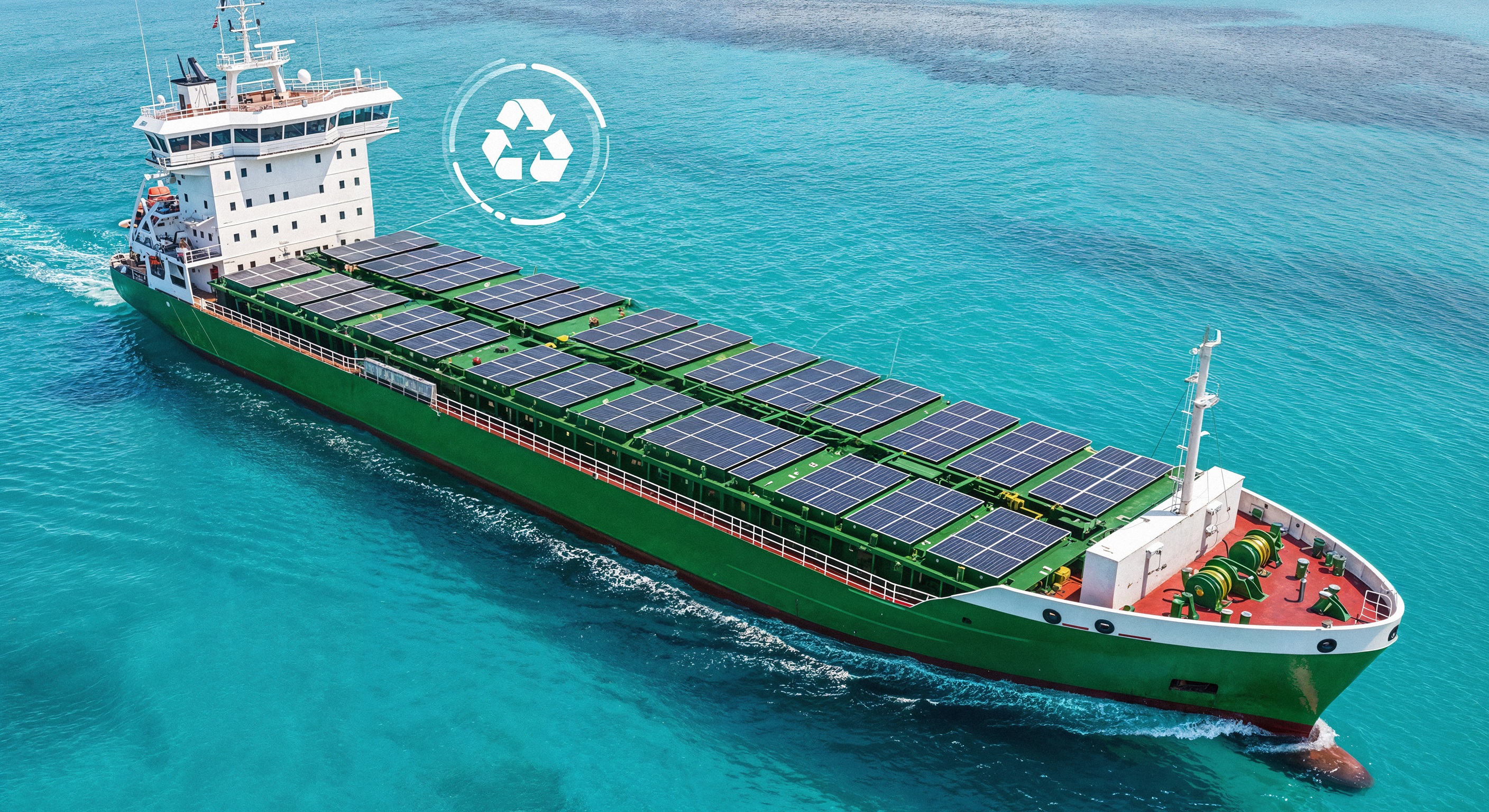
Every major ocean carrier has a net-zero commitment. Most of those commitments are dated 2040, 2050, or some similarly distant horizon. In 2026, the more interesting question for shippers and freight forwarders is not what carriers have promised but what they are actually deploying, at what scale, and at what cost premium. The gap between the press release and the operational reality is worth understanding before making any commercial decisions based on carrier sustainability credentials.
Alternative fuels: where the investment is actually going
Methanol is the alternative fuel where the most actual vessel deployment has occurred. Maersk has deployed a series of methanol-dual-fuel vessels and has publicly committed to a methanol-powered fleet as a transitional pathway to net zero. The Maersk methanol vessels carry a fuel cost premium — green methanol is significantly more expensive per energy unit than conventional VLSFO — and that premium is passed to shippers through a green fuel surcharge. For shippers who need to report Scope 3 emissions and want to demonstrate carrier selection based on emissions performance, booking on a Maersk methanol vessel is a quantifiable improvement over conventional fuel.
LNG (Liquefied Natural Gas) has been the other major fuel investment, particularly by CMA CGM. LNG-fuelled vessels reduce CO2 emissions by roughly 20 to 25 per cent compared to VLSFO and essentially eliminate sulphur and particulate emissions. The caveat: LNG produces methane slip — unburned methane released during the fuel process — which has a global warming potential approximately 80 times that of CO2 over a 20-year horizon. Depending on how methane slip is accounted for in the emissions methodology, LNG vessels may show a smaller benefit than the CO2 number alone suggests.
What the IMO regulations are actually forcing
The International Maritime Organization's Carbon Intensity Indicator (CII) regulation, which took effect in 2023, rates every vessel above 5,000 gross tonnes on a letter scale from A to E based on its actual carbon intensity. Vessels rated D or E face an improvement requirement, and vessels consistently rated E face trading restrictions. By 2026, the CII rating system is beginning to affect vessel values and chartering decisions — vessels with poor CII ratings are harder to charter and attract lower charter rates, which creates a financial incentive for operators to manage vessel performance.
For shippers, the practical implication of CII is that slow steaming — operating vessels at reduced speed to improve fuel efficiency and CII rating — is becoming more prevalent. A vessel that was transiting at 18 knots is now often transiting at 14 to 16 knots. This adds one to three days to Asia-GCC voyage times but significantly reduces emissions per tonne-kilometre. If your supply chain has a transit time buffer, slow steaming on a CII-compliant vessel reduces your Scope 3 freight emissions at no premium cost.
Key Takeaways
-
Methanol dual-fuel vessels (Maersk) and LNG vessels (CMA CGM) are the most scaled real-world deployments in 2026. Both carry a fuel cost premium passed through as surcharges.
-
IMO CII regulations are driving slow steaming on many Asia-GCC routes — adding 1-3 days to transit times but reducing emissions per tonne-kilometre. If your supply chain has buffer, this is a no-cost emissions improvement.
-
Green fuel commitments 20+ years out matter less for shippers today than which carrier has actual lower-emission vessels deployed on your lane right now. Ask specifically about the vessel, not the corporate target.
Tags:#GreenShipping#ZeroEmissions