AI-Powered Route Optimisation: How Freight Platforms Are Reducing Transit Times and Costs
CargoClave Insights
Logistics & Trade Analyst
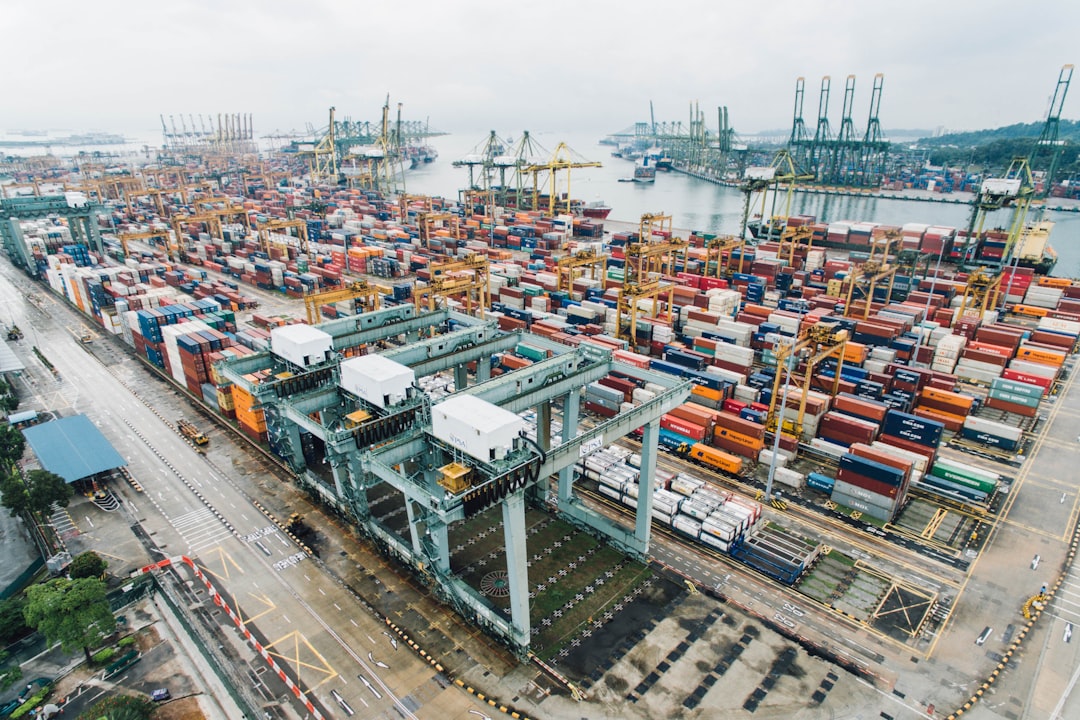
Route selection in freight forwarding has always been a judgment call — which carrier, which port, which transit routing, which transshipment hub. That judgment was based on experience, relationship, and memory. AI-powered route optimisation is bringing data to that judgment, and the results are changing what is possible for SME freight forwarders who previously could not match the route intelligence of larger operators.
What AI route optimisation actually analyses
The inputs that a route optimisation model works with include carrier schedule databases updated in real time, vessel arrival reliability records going back 18 to 24 months by carrier and lane, port congestion indices from terminal operator and AIS vessel data, cost data at current market rates across multiple routing options, and carbon emissions calculations for each routing using GLEC methodology. The model combines these inputs to rank routing options on a multi-variable basis — not just cheapest, not just fastest, but the best fit for the specific shipment's requirements.
For a shipment from Mundra to Riyadh, the model might surface three options: a direct service with Carrier A that is cheapest but has 62 per cent schedule reliability, a transshipment via Jebel Ali with Carrier B that costs USD 150 more but has 84 per cent reliability, and a direct-to-KAEC option with Carrier C that is slightly slower but bypasses Jebel Ali congestion entirely. Each option is priced, reliability-scored, and carbon-calculated. The freight forwarder makes the final call, but with data rather than guesswork.
Where it delivers the most value for India-GCC operators
The India-GCC corridor has more routing complexity than many shippers realise. Dubai (Jebel Ali), Abu Dhabi (Khalifa Port), Sharjah, Oman (Salalah), Saudi Arabia (Jeddah Islamic Port, King Abdullah Port at KAEC, Dammam), Qatar (Hamad Port), Kuwait, Bahrain — each port has different carrier coverage, different inland distribution characteristics, and different documentation requirements. A forwarder who defaults to Jebel Ali for everything is not always wrong, but is sometimes leaving a better option on the table.
For multi-destination shipments — a single container that needs to deliver to buyers in both Dubai and Riyadh — route optimisation helps determine whether a UAE port with inland trucking to Saudi Arabia or a Saudi port with separate UAE distribution arrangement is more cost-effective overall. This calculation involves carrier rates, inland trucking costs, Saudi customs clearance costs for UAE-origin cargo, and transit time to each destination. Without AI assistance, most SME forwarders do not attempt this comparison systematically — they go with the simpler option.
The limitation that no AI tool resolves
AI route optimisation is only as good as the data it has access to. Carrier schedule data has gaps and lags — a service suspended during Red Sea disruptions may still appear as available in a database that has not been updated. Port congestion data is historical rather than truly predictive — a two-week congestion event at a specific terminal may not show up in the data until after it is under way. The AI narrows the field and ranks options; the freight forwarder with lane-specific experience makes the final call and catches what the model misses.
Key Takeaways
-
AI route optimisation combines schedule reliability, real-time rates, carbon emissions, and port congestion data to rank routing options — turning a judgment call into a data-supported decision.
-
On the India-GCC corridor, multiple destination ports and multi-stop shipment options create complexity that AI handles systematically where manual comparison falls short.
-
AI route optimisation narrows the field; lane-specific human experience makes the final call. The two work best together — neither replaces the other.
Tags:#RouteOptimisation#FreightAI