The Rise of Digital Freight Brokerages — And What It Means for Traditional Forwarders
CargoClave Insights
Logistics & Trade Analyst
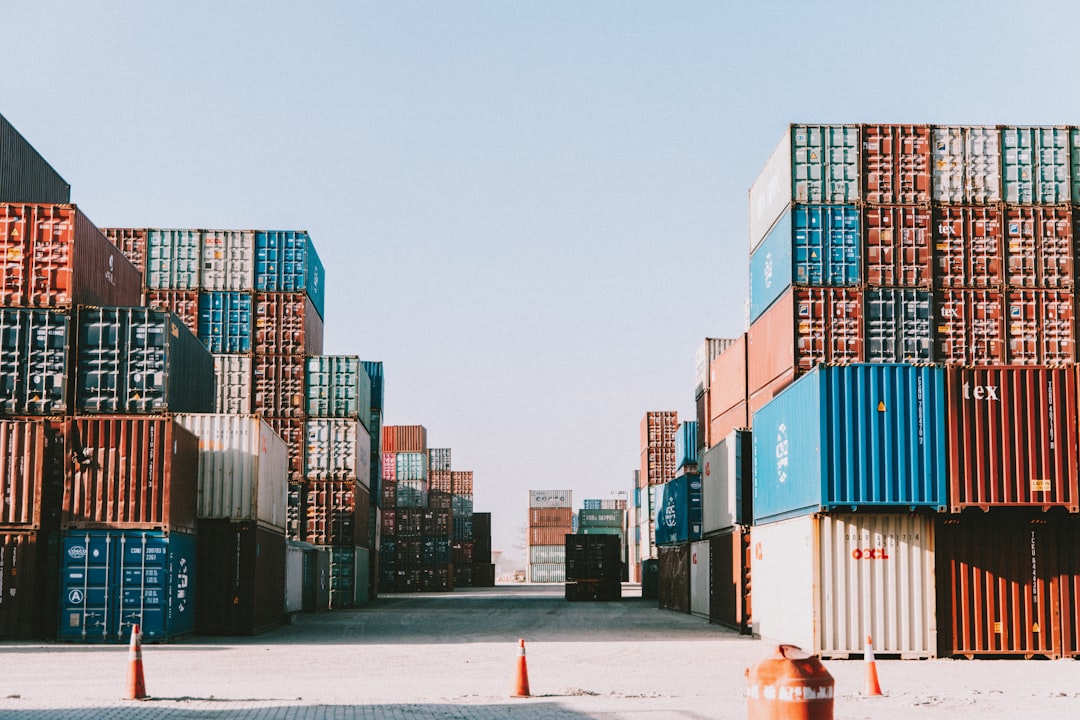
Digital freight brokerages — platforms that match shippers and carriers algorithmically, with instant quoting and digital booking — grew significantly through 2021 to 2024. By 2025, the model had been tested sufficiently that both its strengths and its limitations are clear. Understanding what digital brokerages actually do well, and where they fall short, matters for every traditional freight forwarder trying to position their operation for the next five years.
What digital brokerages do well
For standardised, high-volume, well-defined lanes — particularly US domestic trucking and some major ocean lanes — digital brokerages have delivered on their promise of price transparency and booking speed. A shipper with a recurring, predictable load profile benefits from the instant rate comparison and automated booking that digital platforms provide. The administrative overhead of rate shopping across three or four carriers is eliminated.
Digital brokerages also excel at data aggregation. Because they handle volume across many shippers, they have rate data, carrier reliability data, and lane performance data that individual forwarders with narrower client bases cannot generate internally. This data advantage is real and growing.
Where they consistently underdeliver
Complex shipments — those with DG cargo, non-standard dimensions, LC documentation requirements, or multi-modal routing — consistently fall outside the algorithmic model. A digital platform built to match a 40-foot FCL on a standard lane does not have the expertise layer to advise on which GCC port is currently running a SASO examination blitz on a specific commodity, or to navigate a customs hold in Jebel Ali at 6pm on a Thursday.
Mid-market Indian freight forwarders serving the India-GCC corridor operate in exactly the space where digital brokerage models underperform: complex bilateral regulation, mixed document types, client relationships that require judgment and continuity, and shipment profiles that vary significantly from booking to booking.
The hybrid that is actually winning
The most effective response to digital brokerage pressure is not to lower prices. It is to make the expertise layer visible. Every decision a freight forwarder makes that a digital platform could not — recommending a specific carrier based on current Suez routing, structuring a COO for CEPA benefits, flagging a potential LC discrepancy three days before presentation — should be communicated to the client, not done silently. The forwarder who makes their expertise visible builds a relationship that a rate comparison tool cannot disrupt.
Key Takeaways
-
Digital brokerages win on standardised, repetitive lanes where price transparency and booking speed are the primary value. They underdeliver on complex, bilateral, relationship-dependent freight.
-
India-GCC corridor freight sits squarely in the complexity zone where digital brokerage models fail — dual regulation, mixed documentation, and variable shipment profiles all require human expertise.
-
The response to digital brokerage pressure is not to lower prices — it is to make your expertise visible. Every judgment call you make that an algorithm could not should be communicated, not done silently.
Tags:#DigitalBrokerages#FreightTech