Warehouse Automation in India: Where It Actually Stands in 2026
CargoClave Insights
Logistics & Trade Analyst
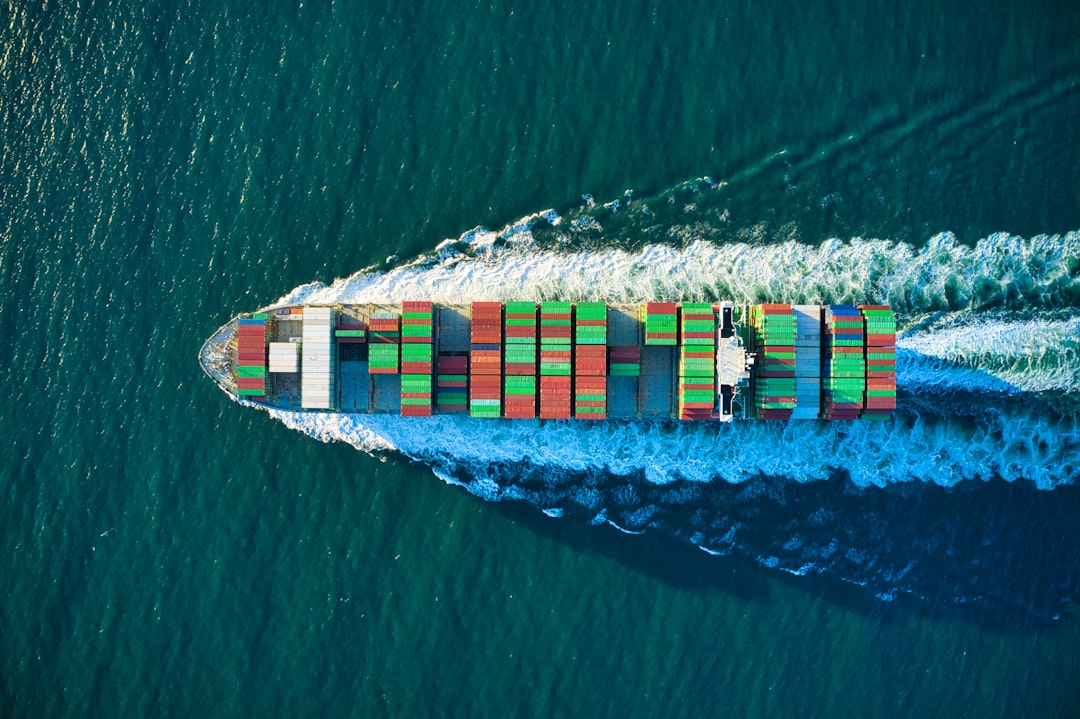
Warehouse automation in India has been the subject of significant investment announcements, conference presentations, and vendor marketing over the last three years. The reality on the ground — particularly for the SME logistics operators who handle the majority of India's freight — is more nuanced than the headlines suggest.
What automation is actually being deployed — and where
The large e-commerce warehouses — Amazon's fulfilment centres, Flipkart's facilities, Meesho's distribution network — have deployed significant automation: goods-to-person picking systems, automated conveyor and sortation, and in some cases autonomous mobile robots. These deployments are real and have meaningfully improved throughput and accuracy at scale.
For the mid-sized logistics operator — a 3PL running 10,000 to 50,000 square feet of warehouse space in an industrial area of Mumbai, Chennai, or Ahmedabad — the automation picture is different. Manual picking, paper-based stock management, and supervisor-dependent location knowledge remain the norm. Not because the operator does not want to automate, but because the ROI calculation for automation systems that cost INR 50 to 200 lakhs does not work at their throughput volumes.
The automation that does work at mid-market scale
There are three automation technologies that are now accessible to mid-market warehouse operators in India at a cost that delivers a reasonable payback period. First, a cloud-based WMS — not technically 'automation' in the robotics sense, but the operational discipline it provides delivers 15 to 25 per cent throughput improvement in most warehouses that implement it correctly. Second, barcode scanning and mobile data entry devices — replacing paper pick lists with handheld scanners that confirm the right product is being picked at the right location reduces picking errors significantly. Third, automated packing station scales that capture weight and dimensions at pack-out and automatically update the WMS and shipping label without manual data entry.
These three technologies together cost INR 8 to 25 lakhs to deploy in a mid-sized warehouse, and the payback period is typically 12 to 24 months through error reduction, faster throughput, and better inventory accuracy.
What Indian warehouse operators should be preparing for
The next wave of accessible warehouse automation in India will be autonomous mobile robots — small, wheeled platforms that carry totes or shelves to picking stations rather than having pickers walk the warehouse floor. AMR costs have fallen significantly globally, and Indian-manufactured AMRs from companies like GreyOrange and Addverb Technologies are now priced within reach of mid-market operators. By 2027 to 2028, AMR deployment in mid-market 3PL warehouses in India is likely to be the norm rather than the exception.
Warehouse operators who invest now in a WMS and accurate digital inventory management will be ready to layer in AMR technology when the cost-benefit threshold is crossed. Warehouse operators who are still running on spreadsheets and institutional memory will face a much more disruptive technology transition.
Key Takeaways
-
Full robotics automation has a payback problem at mid-market scale. The accessible automation stack — WMS + barcode scanning + automated packing scales — costs INR 8-25 lakhs and typically pays back in 12-24 months.
-
AMR costs are falling fast, and Indian-manufactured options are now mid-market priced. By 2027-28, AMR deployment in Indian 3PL warehouses is likely to be standard.
-
Operators with a WMS and clean digital inventory can add AMR technology when the cost-benefit threshold is crossed. Operators on spreadsheets will face a much more disruptive transition when that moment arrives.
Tags:#WarehouseAutomation#India2026