Cross-Border E-Commerce Logistics: What Indian Sellers Shipping to the GCC Need to Know
CargoClave Insights
Logistics & Trade Analyst
Indian direct-to-consumer brands are increasingly selling into GCC markets through e-commerce channels — Amazon.ae, Noon, Namshi, and their own D2C websites targeting the UAE, Saudi Arabia, and Qatar. The logistics model for this kind of trade is fundamentally different from traditional B2B freight forwarding, and freight operators who want to serve this growing segment need to understand those differences.
The customs threshold reality in the GCC
Each GCC country has a de minimis threshold — a value below which imported goods are not subject to import duty. In the UAE, this threshold is AED 1,000 (approximately USD 270). In Saudi Arabia, the threshold is SAR 1,000 (approximately USD 265). Goods below these thresholds can be cleared without a formal customs declaration and without import duty, subject to the carrier providing basic shipment information electronically.
For Indian D2C sellers shipping individual orders to GCC consumers, most orders fall below the de minimis threshold. This means the customs clearance process is faster and cheaper than traditional commercial imports — but it also means using a carrier or courier service that has the electronic clearance capability to take advantage of the threshold.
The returns problem that nobody plans for
Cross-border e-commerce returns are the most underplanned element of GCC e-commerce logistics for Indian sellers. A consumer in Dubai who buys a garment from an Indian D2C brand and wants to return it faces a complicated path: the garment needs to be shipped back to India, cleared through Indian customs on re-import (with appropriate documentation to avoid paying import duty on your own goods returning to India), and then either restocked or disposed of.
Most Indian D2C sellers entering the GCC for the first time do not have a return logistics process. They either absorb the cost of the return, offer a credit instead of a physical return, or ask the consumer to keep the goods. All three of these approaches carry commercial risks — returns are a key driver of repeat purchase and customer lifetime value in e-commerce. A brand that cannot handle returns professionally in the GCC will struggle to build a loyal customer base.
The fulfilment hub decision
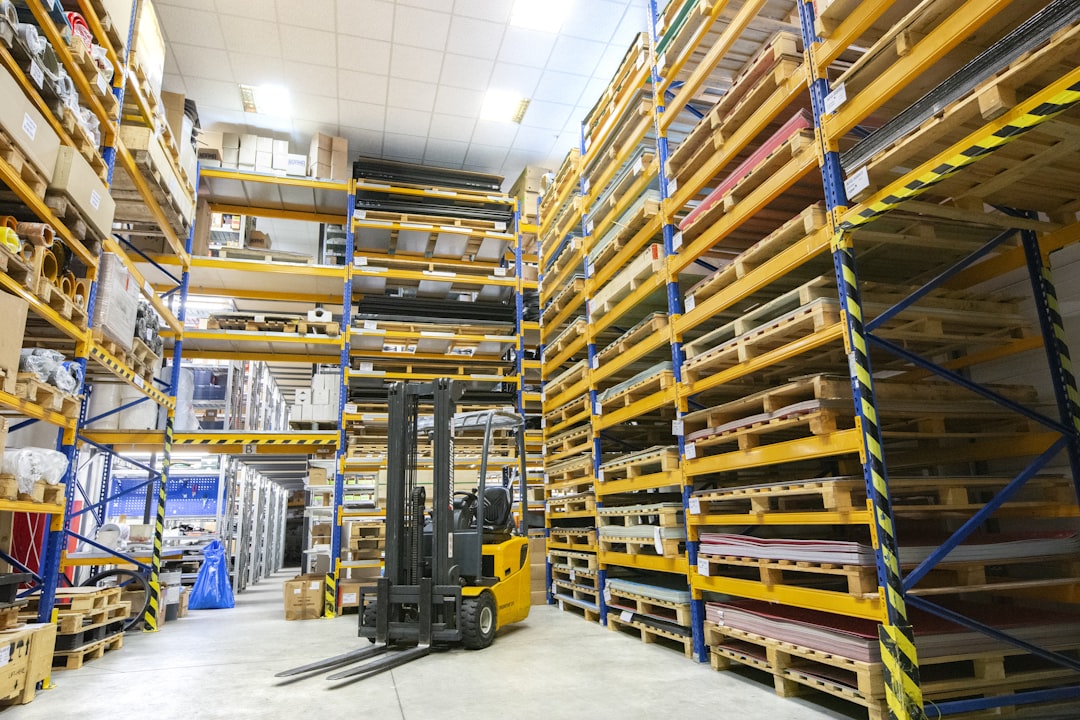
The fastest-growing Indian D2C brands in the GCC have solved the returns problem by establishing a regional fulfilment hub — typically in a JAFZA free zone warehouse in Dubai. By stocking inventory in Dubai, they can ship to GCC consumers with one to two day delivery (instead of five to seven days from India), handle returns locally within the UAE, and consolidate returned goods for periodic bulk re-export to India. This model requires capital investment in GCC inventory, but the conversion rate improvement from faster delivery typically justifies it.
Key Takeaways
-
GCC de minimis thresholds (AED 1,000 in UAE, SAR 1,000 in KSA) make individual consumer orders faster and cheaper to clear — but only if using a carrier with electronic clearance capability.
-
Returns are the most underplanned element of GCC e-commerce for Indian D2C brands. A brand without a return logistics process will struggle to build repeat purchase loyalty.
-
A regional fulfilment hub in JAFZA enables 1-2 day GCC delivery, local return handling, and periodic bulk re-export to India. The conversion rate improvement from faster delivery typically justifies the inventory investment.
Tags:#Ecommerce#CrossBorder