India's Logistics Infrastructure Boom: What It Actually Means for Freight Operators
CargoClave Insights
Logistics & Trade Analyst
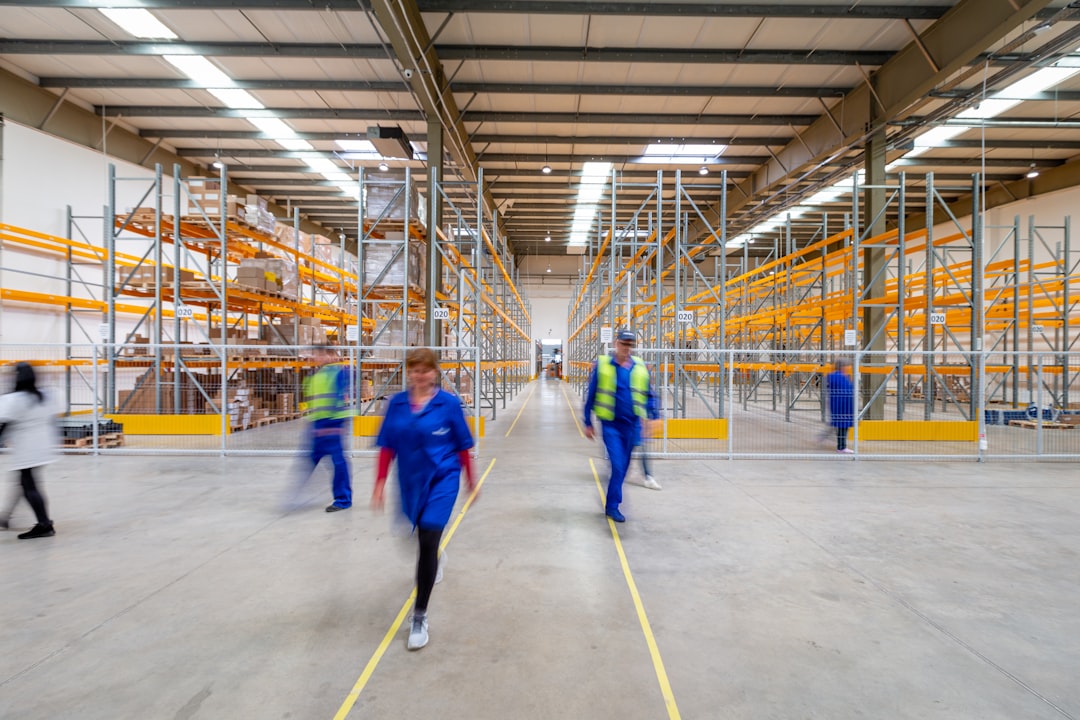
India's logistics infrastructure has been the subject of massive government investment under the PM Gati Shakti National Master Plan and the National Logistics Policy. The ambition is to reduce India's logistics cost as a percentage of GDP from approximately 14 per cent — among the highest of any major economy — to closer to 8 per cent, in line with developed market benchmarks. For freight operators on the ground, what does this investment actually mean?
The multimodal logistics parks that are changing origin-side freight
The most directly relevant development for freight forwarders is the expansion of Multimodal Logistics Parks — large-scale facilities that combine warehousing, customs clearance, rail connectivity, and trucking access in a single location. The key ones for India-GCC trade are at Dadri (near Delhi), Jhajjar (Haryana), and Sanand (Gujarat). These facilities reduce the origin-side logistics chain for export freight — instead of moving cargo by road to the port, exporters can bring cargo to the MMLP, complete customs clearance there, and move it to port by rail.
The practical benefit for a freight forwarder: lower origin-side costs for clients based in North India and Gujarat, and faster customs clearance because the ICDs at MMPLs are staffed and equipped for high throughput. The caveat: not all MMPLs are equally operational — some are still in development and lack the full range of services described in the plans.
Dedicated Freight Corridors and what they unlock
The Eastern and Western Dedicated Freight Corridors are the most transformational infrastructure investments for freight movement within India. The Western DFC, which connects Delhi to Mumbai via Rewari, Vadodara, and Vapi, is particularly relevant for India-GCC trade — it runs parallel to the existing Mumbai-Delhi railway line but is reserved for freight trains, meaning it can run faster, longer, and heavier trains without competing with passenger services.
The tangible benefit: rail freight that previously took four to five days from Delhi to JNPT can now take two to three days on the DFC, with greater reliability. For exporters in North India moving cargo to GCC through JNPT, this changes the origin-side logistics calculus — rail becomes genuinely competitive with road on time as well as cost.
What has not improved yet
Port infrastructure and efficiency at second-tier ports remains uneven. Mundra and JNPT have improved, but dwell times and documentation processes at smaller ports — where some cargo originates — remain a source of delay. Trucking availability and driver quality is still a constraint in parts of the country where freight volumes have grown faster than the transport workforce. And the customs system — ICEGATE — while improved, still has periodic downtime and integration issues that create filing delays.
The honest assessment for a freight forwarder in 2026: India's logistics infrastructure is measurably better than it was five years ago, and it will be measurably better again in five years. The gains are real but uneven — concentrated in specific corridors and facilities, with gaps elsewhere.
Key Takeaways
-
Multimodal Logistics Parks reduce origin-side costs and improve customs clearance speed for exporters — but check operational status carefully. Some MMPLs are still developing their service range.
-
The Western DFC cuts Delhi-to-JNPT transit time from 4-5 days to 2-3 days, making rail freight genuinely competitive with road for North India exporters on the India-GCC corridor.
-
India's logistics infrastructure is improving but unevenly — gains are concentrated in specific corridors and facilities, with trucking availability and second-tier port efficiency still lagging.
Tags:#PMGatiShakti#IndiaLogistics