Port Congestion: What Causes It, What It Costs You, and How to Respond
CargoClave Insights
Logistics & Trade Analyst
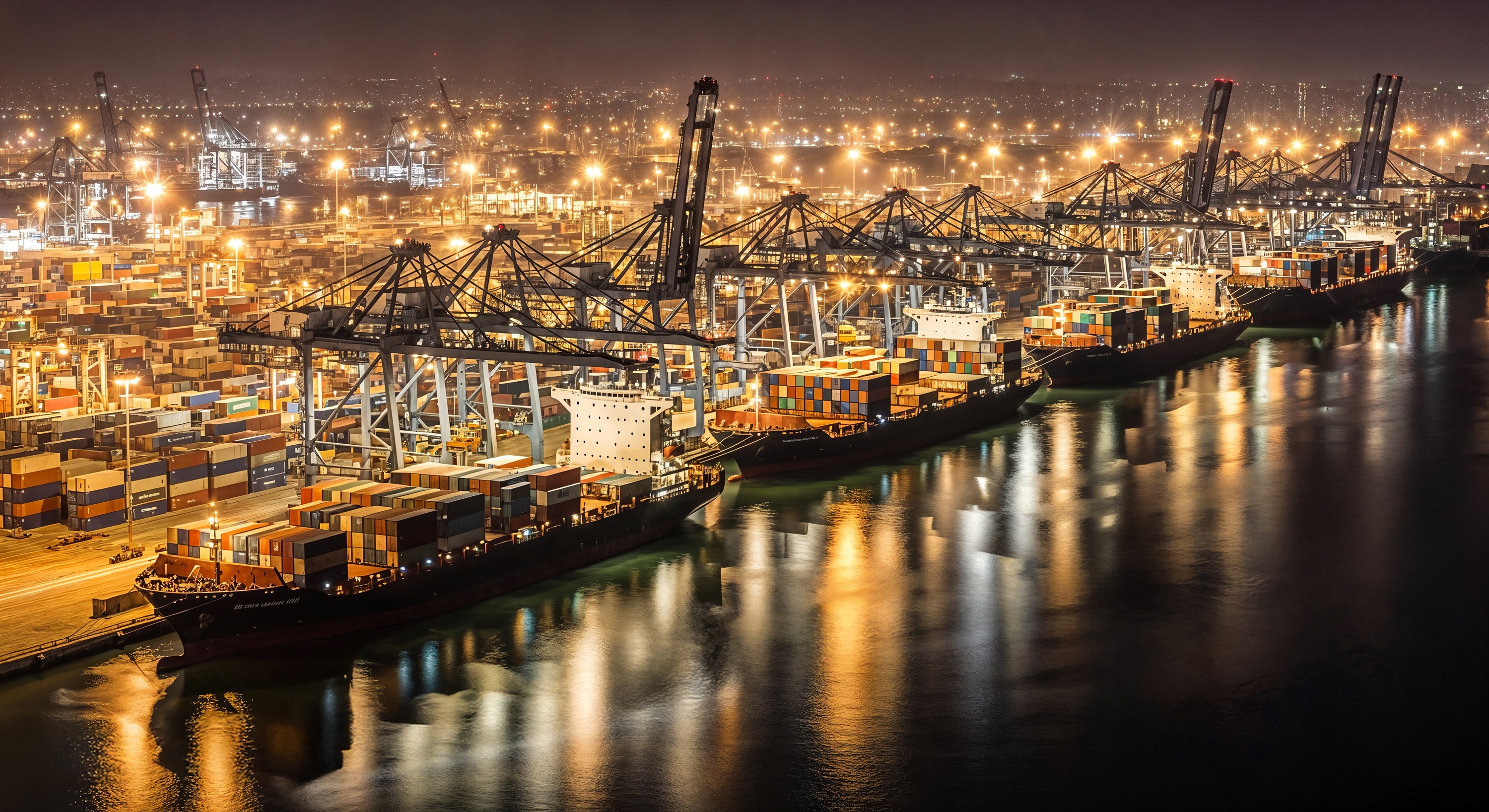
Port congestion is one of those supply chain risks that sounds abstract until you are staring at a container sitting outside a terminal for 11 days and watching your demurrage bill climb. In 2024 and 2025, congestion at Singapore, Port Klang, and several Red Sea transshipment hubs reminded freight forwarders that this risk had not gone away — it had just moved.
What actually causes port congestion
Port congestion is almost never just one thing. The most common combination: a surge in vessel arrivals compressed into a short window (because blank sailings created a bunching effect), followed by a labour or equipment constraint at the terminal that cannot process the vessels fast enough. Add to that a chassis shortage at the truck gate, a customs system backlog, and you have the conditions for a two-week dwell time on containers that should have moved in three days.
The Suez Canal rerouting that dominated headlines in 2024 and 2025 is a good illustration of how external disruptions create congestion cascades. Vessels that were rerouted around the Cape of Good Hope arrived at European and East Asian ports in clusters — because the additional voyage time compressed the normal spread of arrivals into tighter windows. Ports that were running efficiently went into congestion within weeks of the rerouting beginning.
What it costs when your container is caught in it
For a freight forwarder, port congestion has three cost layers. The direct cost is demurrage — the port or terminal charges the carrier for the vessel waiting, and the carrier passes that cost to shippers through Emergency Operational Recovery surcharges or General Rate Increases. The second cost is detention — the container may be released from the port, but if the consignee's supply chain is also disrupted, empty return is delayed and detention ticks. The third and often largest cost is the commercial impact on the client — a delayed shipment that misses a production window, a retail launch, or an LC presentation deadline creates costs that dwarf the freight bill.
How to respond when your cargo is stuck
When a container is caught in congestion, the most valuable thing a freight forwarder can do is give the client accurate information quickly. Clients who are told 'there's a delay, we're working on it' while they watch three weeks pass are clients who find a different forwarder next time. Clients who are told 'your container is at Jebel Ali, currently in the examination queue, expected to be released by Thursday, which means it will arrive at your warehouse on Saturday — here is what that means for your production schedule' are clients who trust you to handle the next crisis too.
On the operational side: establish relationships with port agents and terminal operators before congestion hits. An agent at Jebel Ali who can give you a real-time update on examination queue length and truck gate wait times is worth more than any tracking system during a congestion event.
Key Takeaways
-
Port congestion is almost always a combination of bunched vessel arrivals and terminal capacity constraints — not a single cause. External disruptions create cascading congestion weeks later.
-
The three cost layers of congestion: demurrage from vessel waiting, detention from delayed empty returns, and commercial impact from missed client deadlines — the last is often the largest.
-
Accurate, timely client communication during a congestion event is what separates forwarders clients stay with from forwarders clients leave.
Tags:#PortCongestion#SupplyChain