Container Types Explained: Which One Does Your Cargo Actually Need?
CargoClave Insights
Logistics & Trade Analyst
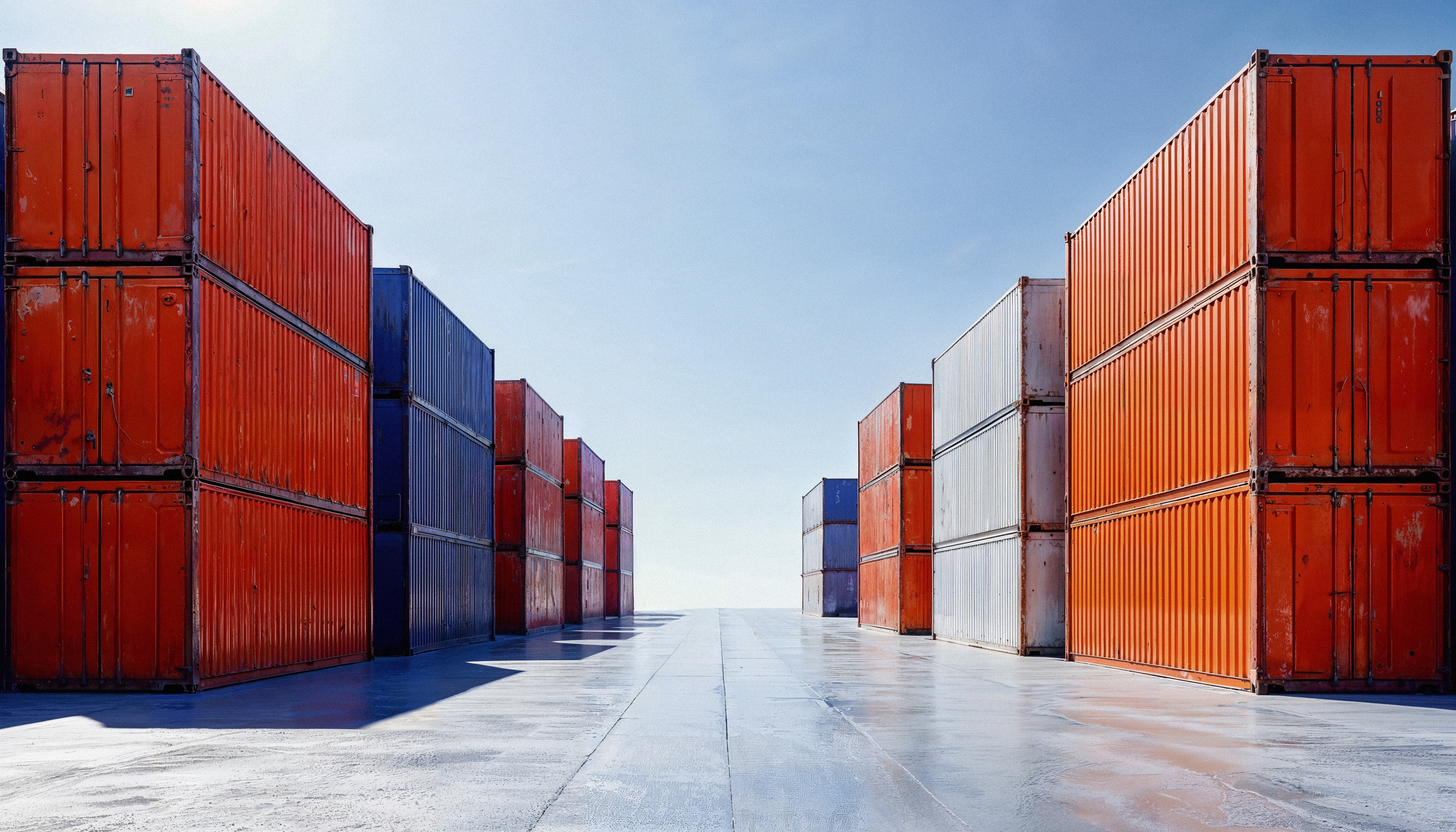
Ask a first-time exporter what type of container they need and the answer is almost always 'a standard one.' That works for many cargo types. It is the wrong answer for many others — and using the wrong container type can mean cargo damage, rejected shipments, or premature spoilage. Here is a practical guide to the containers that matter most on India-GCC trade.
The standard dry container — and when it is not enough
The 20-foot and 40-foot dry containers cover roughly 80 per cent of all ocean freight. They are the default for everything from textile goods and FMCG to machinery, auto parts, and packaged chemicals. The 20-foot container holds approximately 28 CBM of cargo and 21 metric tonnes of payload. The 40-foot holds around 67 CBM.
The 40-foot High Cube — which adds a foot of height — is the practical choice for voluminous, lightweight cargo like garments, mattresses, and packaged goods where you hit the cubic limit before the weight limit. On India-GCC lanes, most garment and FMCG shipments go in 40HC containers.
Reefer containers: more than just temperature control
A reefer container does not just maintain a set temperature — it actively controls temperature, humidity, and ventilation throughout the voyage. This distinction matters for cargo like fresh produce, which needs both temperature control and controlled atmosphere to extend shelf life. Reefer containers are available in the same 20-foot and 40-foot sizes as dry containers, with the 40HC reefer being the workhorse for Indian food exports to the GCC.
The key operational point: a reefer container must be pre-cooled before stuffing begins. Stuffing warm cargo into a cold container and then trying to bring the temperature down creates temperature gradients that damage cargo. Pre-cooling the container to the target temperature before the first carton goes in is not optional — it is the single most important step in cold chain execution.
Open-top containers: when your cargo will not fit through the door
Open-top containers are exactly what they sound like — containers without a solid roof, with a removable tarpaulin cover instead. They are used for cargo that exceeds the standard height limit of approximately 2.3 metres inside a dry container — stone slabs, large machinery components, rolled steel, and oversized industrial equipment. On the India-GCC corridor, open-top containers are regularly used for granite and marble exports from Rajasthan and Andhra Pradesh.
Note that open-top containers are not always cheaper than standard containers. They require a tarpaulin and lashing gear that adds cost, and not all terminals handle them the same way. Always confirm handling capability at the discharge port before booking an open-top.
Flat-rack containers: for what open-top still cannot handle
When cargo is not just tall but also wider or longer than standard container dimensions, a flat-rack is the answer. Flat-rack containers have collapsible end walls and no sides or roof — just a platform with end walls. They are used for very large machinery, vessels, transformers, and construction equipment. Flat-racks require special lashing, special stowage on the vessel, and specialised handling at origin and destination terminals. They are also significantly more expensive than standard containers and require advance booking with the carrier.
Tank containers: liquids in bulk
Tank containers are used for bulk liquid cargo — chemicals, food-grade liquids like vegetable oils or fruit concentrates, and petroleum products. A tank container holds between 17,000 and 26,000 litres depending on the specification. For chemical liquids, the tank must be approved for the specific commodity being shipped — not all tanks are compatible with all chemicals. The carrier will require the UN number, the commodity's flash point, and confirmation of the tank specification before booking.
Key Takeaways
-
40HC is the practical choice for voluminous, lightweight cargo on India-GCC lanes — garments, FMCG, packaged goods hit the cubic limit before the weight limit.
-
Pre-cool the reefer container to the target temperature before stuffing begins. Warming cargo down after stuffing creates temperature gradients that damage the cargo.
-
Open-top and flat-rack containers require advance confirmation of handling capability at the discharge port — not all GCC terminals handle them identically.
Tags:#ContainerTypes#OceanFreight