Digital Forwarder vs. Traditional Freight Forwarder: What Is Actually Different
CargoClave Insights
Logistics & Trade Analyst
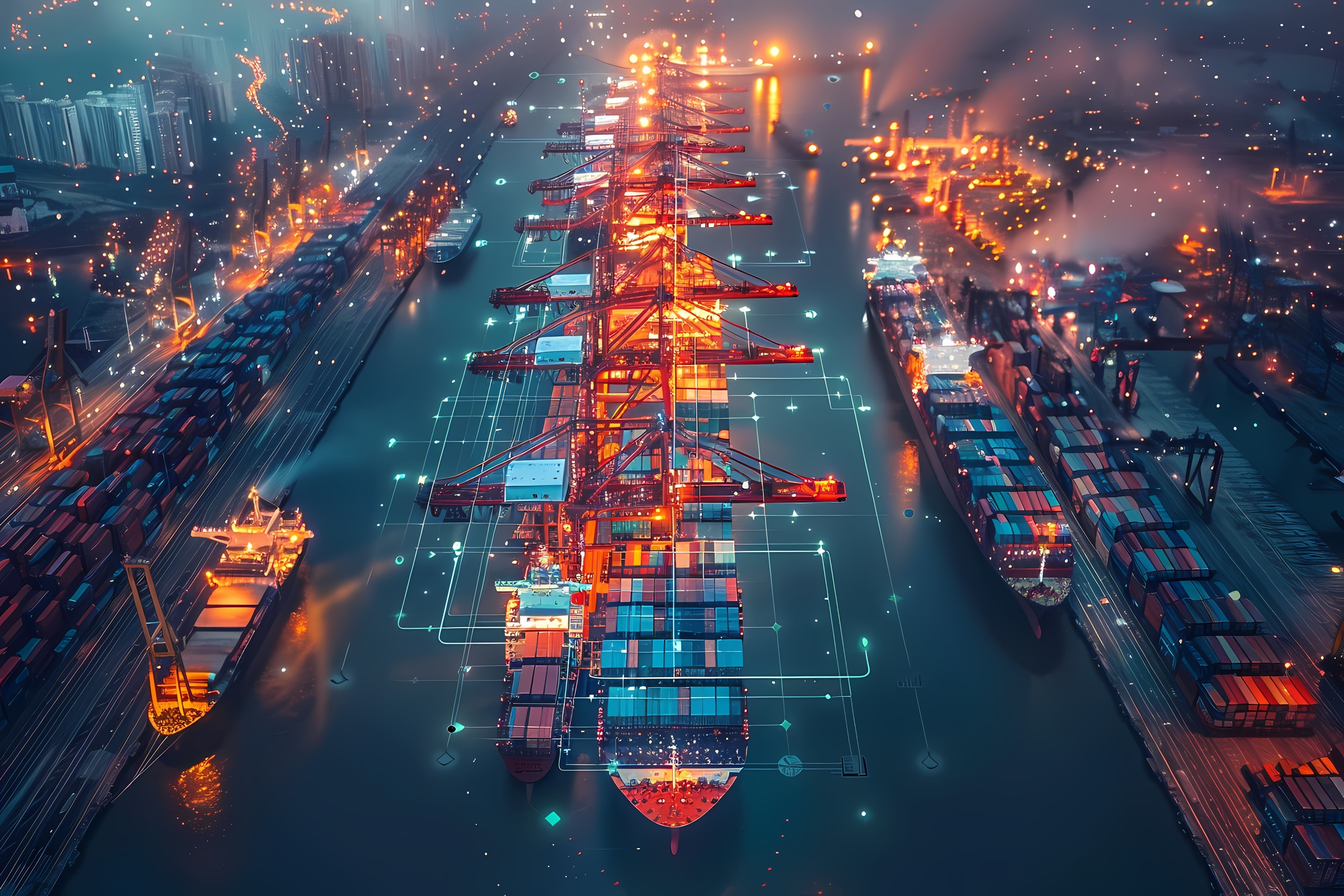
The term 'digital freight forwarder' has been in use since Flexport popularised it around 2014. In 2026, the distinction between digital and traditional is less clear than it used to be — because the best traditional forwarders have digitalised, and many 'digital' forwarders have discovered that technology does not replace the expertise, relationships, and judgment that make freight forwarding work.
What the original digital forwarder promised — and where it underdelivered
The first wave of digital freight forwarders promised transparency, instant quoting, and a seamless client experience through a digital interface. What they underestimated was the expertise layer — knowing which carrier has the best reliability on a specific lane, which customs authority is running examination blitzes on a specific commodity, which shipping line will work with you on a detention waiver. This knowledge lives in people and relationships, not in software.
The hybrid model that is actually winning in 2026
The freight forwarding operations growing fastest in 2026 are not the pure digital plays or the unchanged traditional operations. They are hybrid operators — experienced freight professionals who have added a modern technology layer to their existing expertise and relationships. They quote faster because they have a rate card database rather than a memory. They scale without proportional headcount increases because their platform handles data entry and compliance checks. But they close complex deals and navigate difficult shipments using the same expertise and relationships they have built over fifteen years.
Key Takeaways
-
Digital forwarders demonstrated that clients use technology for booking and tracking. They underestimated the expertise and relationship layer that makes freight work.
-
Traditional forwarders have irreplaceable expertise and network advantages. Their solvable weakness has always been the operational infrastructure around that expertise.
-
The hybrid model — experienced professionals with a modern technology layer — is outperforming both pure-digital and unchanged-traditional operations in 2026.
Tags:#DigitalForwarder#FreightFuture